Buy, Lease or Rent ATMs in Alabama | atmsalabama.com

Categories
Blogs

How ATMs Encourage Impulse Buying in Alabama Small Businesses

How On-Site ATMs Influence Impulse Buying in Alabama Small Businesses

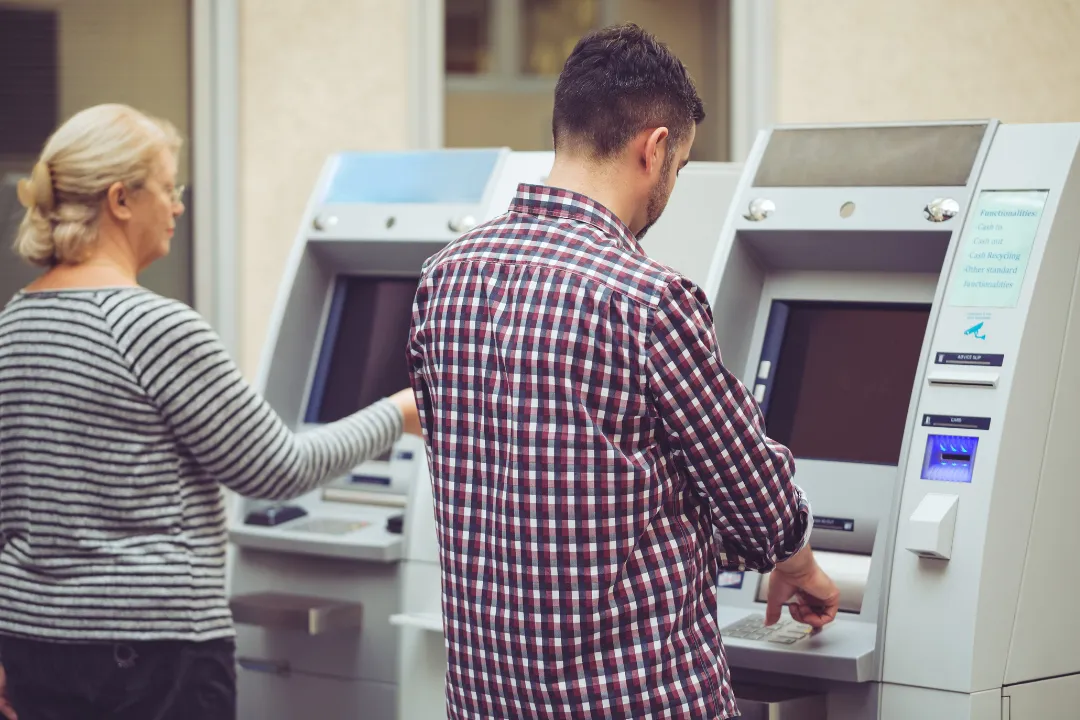
Impulse buying plays a major role in the success of many Alabama small businesses—especially convenience stores, gas stations, restaurants, bars, retail shops, and service-based locations where customers often make quick, unplanned purchases. While impulse buying is influenced by product placement and customer mood, payment access is just as critical. When customers realize they need cash and an ATM is not available on-site, impulse purchases often stop entirely. By installing an ATM inside the business, Alabama merchants reduce friction at the exact moment customers decide to buy. This simple convenience helps keep customers in the store, increases completed transactions, and supports everyday sales without changing pricing, staffing, or marketing strategies.

Why ATM Access Triggers Impulse Purchases in Alabama Markets

Impulse buying is driven by immediacy—customers see something they want, decide quickly, and act on that decision. In Alabama, this behavior is common in environments where customers are on the move or spending casually, such as neighborhood convenience stores, quick-service restaurants, bars, tourist-adjacent retail shops, and service businesses. When a customer reaches checkout and realizes they do not have enough cash, the impulse often disappears if leaving the location is required. Many customers will not return after stepping out to find an ATM elsewhere.

An on-site ATM removes that interruption. Customers can withdraw cash immediately and continue with their purchase, turning a moment of hesitation into a completed sale. This is especially impactful in high-traffic Alabama cities like Birmingham and Huntsville, where customers value speed and convenience, as well as in coastal and event-driven areas near Mobile where visitors are more likely to make spontaneous purchases. Over time, customers learn that your business is a reliable place to complete transactions easily, which reinforces impulse buying behavior and strengthens repeat visits.

How ATMs Reduce Walkouts and Increase Completed Sales

One of the biggest hidden costs for small businesses is the “unfinished sale.” Customers enter with buying intent, but leave without purchasing because of payment limitations. In Alabama small businesses, this often happens when customers underestimate their spending or prefer cash for budgeting reasons. Without an ATM on-site, these customers may leave to withdraw cash and never return—resulting in lost revenue that is difficult to track but very real.

ATM installation helps close this gap. When customers can access cash immediately, they are more likely to complete their intended purchase and often add extra items they originally hesitated on. Restaurants and bars benefit when customers can tip or order another item. Retail shops see higher basket values when customers are not limited by the cash they carried in. Service businesses reduce friction when customers can pay in full without delay. In this way, ATMs do not create demand—but they enable customers to act on it, which directly supports impulse buying and improves overall sales performance.

ATM Placement as a Silent Sales Tool for Alabama Businesses

Unlike traditional sales tactics, ATMs influence buying behavior quietly. There is no pitch, promotion, or discount required. The presence of an ATM simply removes a barrier at the moment of decision. For Alabama business owners, this makes ATMs one of the most subtle yet effective tools for supporting impulse purchases. Customers do not feel pressured—they feel enabled.

This effect becomes stronger when the ATM is placed visibly but naturally within the store layout, such as near the entrance or checkout area. Customers quickly recognize that cash access is available and adjust their buying behavior accordingly. Over time, this reinforces a habit: customers come prepared to spend more because they know cash is accessible if needed. When paired with consistent ATM performance and uptime, this convenience builds trust and encourages repeat impulse purchases—especially in local markets where customers frequent the same businesses regularly.

FAQS

Q1: Do ATMs really influence impulse buying in Alabama businesses?
Yes. ATMs remove payment friction, allowing customers to act on spontaneous purchase decisions without leaving the store.

Q2: What types of Alabama businesses benefit most from impulse buying via ATMs?
Convenience stores, gas stations, restaurants, bars, retail shops, and service-based businesses typically see the strongest impact.

Q3: Does installing an ATM guarantee increased sales?
No guarantees can be made. Results depend on foot traffic, placement, customer behavior, and ATM uptime.

Q4: Why don’t customers return after leaving to find an ATM elsewhere?
Many impulse purchases are time-sensitive. Once customers leave, the buying moment often passes.

Q5: Is ATM placement better than relying on nearby ATMs?
Yes. On-site ATMs keep customers inside your business and reduce the risk of losing completed sales.
Categories
Blogs

3 Practical Ways ATM Installation Adds Value to Alabama Businesses

3 Ways ATM Installation Works as a Multi-Purpose Tool for Alabama Businesses

Across Alabama, businesses operate in environments where convenience directly affects sales. Convenience stores, gas stations, restaurants, bars, retail shops, and service providers regularly serve customers who still rely on cash for quick purchases, tips, and budget control. When cash access is not available on-site, customers often leave to find an ATM elsewhere—and many do not return to complete their purchase. ATM installation helps solve this problem by keeping cash access where customers already are. Beyond convenience, an ATM can support customer retention, increase completed transactions, and create an additional revenue opportunity tied to real usage. For Alabama businesses serving local communities, commuters, and seasonal visitors, a properly planned ATM installation can quietly support daily operations without changing how the business runs.

ATM Installation Improves Customer Convenience and Keeps Spending On-Site

One of the most immediate benefits of ATM installation is customer convenience. In Alabama, many purchasing decisions happen quickly—especially in high-traffic locations such as gas stations, neighborhood markets, food service establishments, and local retail shops. When customers realize they need cash and an ATM is available inside the business, they are far more likely to complete their purchase instead of leaving the location. This is particularly important in environments where customers make impulse or time-sensitive purchases.

In cities like Birmingham and Hoover, customers often move fast and expect efficient service. In growing areas such as Huntsville and Madison, daily traffic continues to rise, increasing demand for simple, reliable cash access. Coastal and tourism-driven areas near Mobile can experience usage spikes during weekends and seasonal travel, where visitors may prefer cash for small purchases and tips. By installing an ATM on-site, Alabama businesses reduce friction at checkout and keep spending closer to their register. Over time, this convenience becomes part of the customer experience—encouraging repeat visits and building trust in the business as a reliable stop.

ATM Installation Supports Sales and Transaction-Based Revenue

ATM installation can support business revenue in more than one way. First, it helps protect existing sales by reducing customer walkouts caused by lack of cash access. Customers who withdraw cash on-site are more likely to spend immediately, add items to their purchase, or tip staff, especially in restaurants, bars, and service-oriented businesses. This can improve average transaction value without requiring new promotions or marketing spend.

Second, ATM usage can generate surcharge income per withdrawal. While revenue varies based on location and foot traffic, the advantage of ATM installation is that earnings are tied to real customer demand rather than assumptions. For Alabama businesses with steady daily traffic—such as convenience stores, gas stations, and retail locations—this can become a consistent supplemental income stream. The key is uptime and placement: an ATM that performs reliably and is easy to find is far more likely to be used regularly. When combined with proper service and processing support, ATM installation becomes a practical financial tool rather than a passive add-on.

ATM Installation Strengthens Local Loyalty and Business Reputation

Customer perception matters in local Alabama markets, where word-of-mouth and repeat visits play a major role in long-term success. Businesses that make transactions easier—whether through fast service, clear pricing, or convenient payment options—are remembered more positively. An ATM that works consistently helps reinforce that perception. Customers who know they can rely on your location for cash access are more likely to return and recommend your business to others.

This is especially valuable in smaller communities and service-heavy industries where trust drives repeat business. When an ATM is frequently out of order or unavailable, customers adjust their behavior and choose other locations. Consistent ATM performance, supported by proper maintenance and monitoring, helps prevent that loss. In this way, ATM installation supports more than revenue—it supports brand reliability. For Alabama businesses competing in crowded local markets, that reliability can be a meaningful advantage.

FAQS

Q1: Is ATM installation useful for small Alabama businesses?
Yes. Many small businesses benefit from improved convenience and reduced lost sales when customers can access cash on-site.

Q2: Do customers in Alabama still use cash regularly?
Yes. Cash is commonly used for tips, small purchases, and quick transactions, especially in service-based businesses.

Q3: Does ATM installation guarantee profit?
No guarantees can be made. Results depend on foot traffic, placement, uptime, and customer behavior.

Q4: Is ATM installation better than relying on nearby ATMs?
On-site access keeps customers from leaving your location and helps protect sales and convenience.

Q5: What businesses benefit most from ATM installation?
Convenience stores, gas stations, restaurants, bars, retail shops, and service providers typically see the strongest results.

Categories
Blogs

4 Questions to Find the Best ATM Location in Alabama

4 Questions to Identify the Best ATM Location in Alabama

A profitable ATM setup starts with one decision that is often underestimated: location. In Alabama, the “best” ATM location is not always the busiest street or the most popular shopping area—it is the place where customers regularly need cash, can access the machine easily, and feel comfortable using it. Businesses across Alabama—convenience stores, gas stations, bars, restaurants, retail shops, and service locations—often lose sales when customers run out of cash and leave to find an ATM somewhere else. The right ATM location reduces those walkouts, supports customer convenience, and increases transaction volume over time. Whether your business is in Birmingham, Huntsville, Mobile, Montgomery, or a growing local community, these four questions can help you choose a location based on real-world demand instead of guesswork.

The 4 Questions Alabama Businesses Should Ask Before Choosing an ATM Location

Before placing an ATM, it helps to evaluate the location like an investor—not like a shopper. An ATM earns through consistent usage, which means your location should support repeat transactions, not just occasional traffic. In Alabama, demand patterns can vary widely depending on city, customer type, and business hours. A spot that works well in a commuter-heavy area of Birmingham may not perform the same way in a tourism-driven coastal market near Mobile. Use these four questions to narrow down what actually drives usage and long-term performance:

1) Does this location have consistent foot traffic—and is it the right kind of traffic?
Foot traffic matters, but the type of foot traffic matters more. The best ATM locations usually attract people who make quick purchases and may need cash unexpectedly: convenience stores, gas stations, bars, and restaurants are common examples. In Alabama, high-performing locations often serve commuters, shift workers, travelers, or steady local regulars. Ask yourself: do customers come in throughout the day, or only at certain hours? Is traffic steady on weekdays, weekends, or both? A location with reliable, repeat traffic usually supports more predictable ATM usage than a place that only gets occasional surges.

2) Are customers in this area likely to need cash for what they’re buying?
An ATM performs best when cash solves a real need. In Alabama, cash is still commonly used for tips, small purchases, split payments, and budget control—especially in service-based businesses. If your customers are frequently buying items where cash is convenient (food, drinks, convenience items, services), the ATM has a stronger purpose. If your business already sees many cash transactions at the register, that is a strong sign the ATM may be used regularly. This question also helps avoid poor placements where customers rarely need cash, even if traffic is high.

3) Is the ATM easy to see, easy to access, and placed where customers feel safe using it?
Even the best location can underperform if the ATM is hidden, awkward to reach, or placed in a spot that feels unsafe. In Alabama businesses, visibility is a major factor—ATMs placed near the entrance or near checkout areas often perform better because customers naturally notice them. Accessibility also matters: customers should be able to approach the ATM without blocking lines or feeling crowded. Safety is not just about crime—it is about comfort. Good lighting, clear sightlines, and a sensible placement inside the business help customers feel confident using the machine.

4) What nearby competition exists, and does it help or hurt you?
Competition analysis is often skipped, but it can be a deciding factor. If there are several ATMs nearby—inside neighboring stores, at gas stations across the street, or within a short walking distance—your machine may receive less usage unless your business has a clear advantage (better convenience, longer hours, more natural customer flow). However, competition is not always negative. In some areas, multiple businesses having ATMs can signal strong local demand for cash access. The key is to determine whether your location is the most convenient option for customers at the moment they need cash. In Alabama, where many customers value speed and routine, the ATM that is easiest to access often wins.

When you answer these four questions honestly, you reduce the risk of placing an ATM where it “looks good” but does not perform. A location that combines steady traffic, genuine cash demand, comfortable access, and a competitive advantage will usually generate stronger long-term results.

FAQS

Q1: What is the best place to put an ATM in an Alabama business?
Typically near the entrance or checkout area where it is visible, accessible, and safe for customers to use.

Q2: Do I need a high-traffic location for ATM profitability?
High traffic helps, but the best locations have the right customers—people who actually need cash for purchases.

Q3: Are gas stations and convenience stores good ATM locations in Alabama?
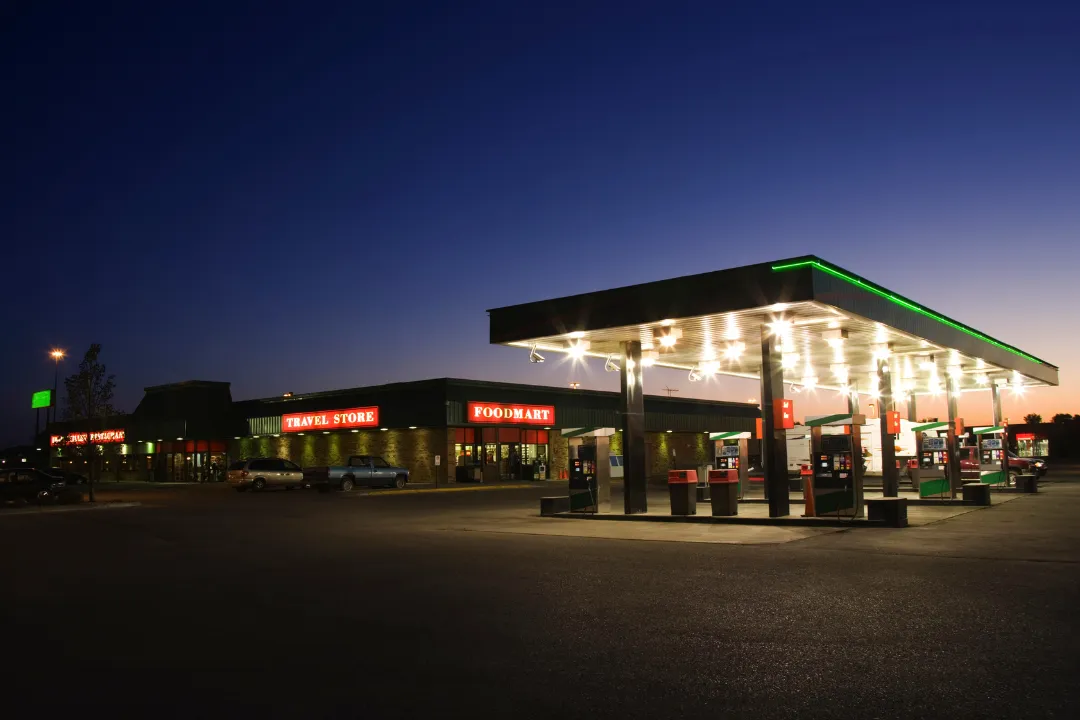
Often yes, because customers frequently need quick cash access for small purchases and convenience spending.

Q4: How can I tell if nearby ATMs will hurt my ATM usage?
Check how close they are and whether customers would find yours easier to access during their visit.

Q5: Does ATM placement guarantee profit?
No. Results depend on foot traffic consistency, customer cash demand, uptime, and placement quality.

Categories
Blogs

The Alabama ATM Advantage: Why ATM Ownership Makes Sense for Local Businesses

The Alabama ATM Advantage: Exploring the Real Value of ATM Ownership

Across Alabama, many businesses still rely on steady cash usage—especially in convenience stores, gas stations, restaurants, bars, retail shops, and service-based locations where speed and flexibility matter. While digital payments continue to grow, cash remains a preferred option for tips, small purchases, split transactions, and customers managing daily spending. ATM ownership gives Alabama business owners direct control over this demand by keeping cash access on-site, reducing customer walkouts, and creating a consistent surcharge-based revenue stream. Rather than sending customers elsewhere to find an ATM, ownership allows businesses to capture transactions at the point of need—strengthening both sales performance and customer experience without disrupting existing operations.

Why ATM Ownership Fits Alabama’s Business Landscape

Alabama’s business environment is shaped by a mix of local repeat customers, commuter traffic, tourism, and seasonal activity. Urban centers like Birmingham and Huntsville see fast-paced daily transactions, while coastal areas near Mobile experience demand fluctuations tied to travel and events. In Montgomery, weekday traffic patterns driven by government and military operations create predictable transaction windows. Across these environments, customers expect convenience. When cash access is not available, they often leave the location entirely—taking potential purchases with them.

ATM ownership allows businesses to respond directly to these patterns. Instead of relying on third-party machines nearby, owners control placement, visibility, and availability inside their own location. This is especially valuable in high-traffic environments where even brief downtime or inconvenience can shift customer behavior. Ownership also eliminates dependence on external schedules or policies, allowing Alabama businesses to operate their ATM in a way that aligns with their hours, peak demand, and customer flow.

How ATM Ownership Supports Long-Term Revenue Growth

One of the most practical benefits of ATM ownership is the ability to generate transaction-based income through surcharge fees. Each withdrawal contributes directly to revenue, and over time, consistent usage can create a stable secondary income stream. While earnings vary based on foot traffic and customer behavior, the advantage of ownership is transparency and control. Business owners see how usage aligns with busy periods, promotions, or seasonal changes, and can make informed decisions based on real data rather than assumptions.

Beyond direct surcharge revenue, ATM ownership supports broader business performance. Customers who withdraw cash on-site are more likely to spend immediately, tip staff, or make additional purchases rather than delaying or leaving. This “convenience effect” often leads to higher average transaction values and better customer retention. For Alabama businesses serving daily regulars as well as occasional visitors, this reliability builds trust—and trust is what keeps customers returning.

Ownership vs Leasing or Placement: Making the Right Choice in Alabama

ATM ownership is not the only option available, but it is often the preferred route for businesses with consistent foot traffic and long-term plans. Purchasing an ATM provides full control over the asset and eliminates ongoing lease payments, which can be advantageous for locations that expect steady usage. Leasing, on the other hand, may suit businesses looking to reduce upfront cost and maintain predictable monthly expenses. Placement programs can be an option for certain locations, but these are typically qualification-based and depend on transaction volume, operating hours, and site suitability.

For Alabama business owners evaluating ownership, the decision often comes down to stability and control. Ownership allows you to align ATM operation with your business goals rather than external terms. It also simplifies long-term planning, as the machine becomes part of your infrastructure rather than a temporary solution. Regardless of the path chosen, success depends on proper setup, processing configuration, and ongoing service support to ensure uptime and customer confidence.

The Role of Service, Processing, and Maintenance in ATM Performance

Owning an ATM is only profitable when the machine performs consistently. Processing reliability, software configuration, connectivity, and maintenance all play critical roles in customer satisfaction. An ATM that frequently displays errors, runs slowly, or goes offline can quickly lose user trust. In Alabama’s competitive local markets, customers remember inconvenience and adjust their behavior accordingly.

This is why successful ATM ownership includes a plan for ongoing service and processing support. Monitoring practices help identify issues early, while responsive repair coordination minimizes downtime. Cash planning ensures availability during peak hours, particularly in locations with weekend surges or event-driven traffic. When these elements work together, the ATM becomes a dependable feature rather than a recurring problem—supporting both revenue and brand reputation.

Where ATM Ownership Delivers the Most Value in Alabama

ATM ownership tends to perform best in businesses where cash demand is frequent and predictable. Convenience stores and gas stations benefit from quick, repeat transactions throughout the day. Restaurants and bars rely on cash for tipping and smaller payments, especially during peak hours. Retail shops and service businesses see higher completion rates when customers can withdraw cash immediately. Event-adjacent locations and tourism-focused areas experience usage spikes that make on-site access especially valuable.

In Alabama, these use cases appear across both urban and regional markets. Ownership allows businesses to tailor placement and operation to their specific audience—whether that means serving weekday commuters, weekend visitors, or a steady local customer base. The result is a practical investment that supports daily operations rather than a speculative add-on.

Categories
Blogs

Enhance Your Alabama Business with Puloon ATMs: A Reliable Choice for Local Growth

Puloon ATMs in Alabama: A Practical Upgrade for Cash Access and Business Revenue

Alabama businesses operate in a wide mix of customer environments—commuter-heavy areas, weekend traffic spikes, tourism-driven coastal routes, and service-based communities where cash still plays a daily role. Convenience stores, gas stations, restaurants, bars, retail shops, salons, and local service providers often see customers who need quick cash for smaller purchases, tips, split payments, or cash-preferred transactions. When customers cannot access cash easily, they may leave your location and complete their purchase somewhere else, which means you lose both the sale and the opportunity to build repeat business. A dependable ATM helps prevent those walkouts by offering immediate cash access right where customers are already spending time and money. Puloon ATMs are a strong option for Alabama locations that care about reliable performance, clear usability, and long-term operation—especially when paired with proper service support and stable processing. Whether your business is located in Birmingham or Hoover’s high-traffic corridors, Huntsville and Madison’s fast-growing neighborhoods, Mobile’s port and coastal visitor zones, or Montgomery’s government and military-related activity, the right ATM setup can strengthen customer experience and support transaction-based earnings without forcing you to change your core operations.

Why Puloon ATMs Match Alabama’s Real-World Business Traffic

Alabama is not a “one-pattern” state when it comes to foot traffic. A convenience store near a commuter route has different ATM demand than a restaurant in a downtown district, and both differ from a coastal shop dealing with seasonal visitors. This is why ATM selection matters: you want a unit that performs consistently during your busiest hours and stays dependable when customers need it most. Puloon ATMs are often chosen in environments where stability and speed matter because the customer expectation is simple—withdraw cash quickly and move on. If a machine is slow, frequently offline, or unreliable, customers do not wait. They remember the inconvenience and choose another location next time.

In metro areas like Birmingham and Hoover, customers are typically moving fast—commuting, running errands, and looking for efficient service. In Huntsville and Madison, continued growth means more daily transactions and more demand for convenient payment options. Coastal areas near Mobile can see demand increase during travel-heavy periods, weekends, and tourism seasons, where visitors often want cash for local spending, small purchases, and tips. In Montgomery, weekday traffic patterns can be steady and predictable, making it easier to plan for consistent ATM usage. Across these scenarios, a reliable ATM becomes a quiet advantage: it reduces payment friction, improves customer satisfaction, and supports higher transaction volume by simply being available when customers need it.

How a Dependable ATM Strengthens Revenue and Customer Retention in Alabama

A reliable ATM contributes to business growth in Alabama through a combination of convenience and transaction-based earning potential. First, convenience directly affects sales. Customers who planned to spend may cut purchases short if they cannot get cash quickly—especially in businesses where cash is frequently used, such as bars, restaurants, small retail, and service providers. When an ATM is on-site and functioning properly, customers are more likely to complete purchases right away instead of delaying or leaving. This is particularly useful in high-turnover environments like convenience stores and food service where a single lost customer can mean multiple lost sales over time.

Second, a working ATM can generate surcharge income per withdrawal, which becomes more predictable when the machine stays operational and is placed where demand naturally exists. The key is not “installing an ATM anywhere”—it is choosing a location with genuine usage potential and maintaining performance so customers trust the machine. Trust is what turns one-time usage into repeat behavior. If the ATM is frequently out of service, customers learn to go elsewhere and the opportunity disappears. That is why the most profitable setups are usually the ones that combine a good placement decision with reliable hardware, stable processing, and service support. In Alabama, where many businesses rely on local repeat customers plus periodic visitor spikes, consistency and uptime often matter more than any “sales pitch” promise. A dependable ATM supports your customer experience every day, and that is what drives long-term results.

Choosing the Right Alabama Setup: Buy, Lease, Placement Options, and Ongoing Support

Every Alabama business has a different starting point, so the “best” ATM plan depends on your goals, budget, and customer behavior. If you want long-term control and prefer owning the asset, buying an ATM can be a practical choice—especially for locations with consistent traffic and reliable demand. If you prefer to reduce upfront cost and keep payments predictable, leasing may be a better fit while still allowing your business to benefit from on-site cash access and transaction activity. In some cases, businesses may qualify for placement programs, but these should always be treated as qualification-based options rather than a guarantee. Eligibility typically depends on factors like operating hours, location type, expected transactions, and overall site suitability. The reason is simple: placement programs are supported by real transaction volume and service terms—not by generic offers.

No matter which route you choose, the performance of your ATM depends heavily on the support behind it. Processing configuration, connectivity reliability, troubleshooting response, and maintenance practices all impact uptime. A machine that is technically “installed” but frequently offline creates the worst outcome: customers lose trust and your location loses repeat usage. Strong support helps reduce downtime and keeps the ATM usable during peak hours, which is when revenue opportunity is highest. For Alabama businesses in convenience retail, hospitality, restaurants, bars, and service industries, the best results usually come from choosing a setup that fits your real traffic patterns and pairing it with service responsiveness—so your ATM remains an asset rather than becoming a recurring operational burden.

To maximize results, the planning should include practical details: where the ATM is positioned inside the business for visibility and security, how customer flow moves around it, how peak-time usage is handled, and what your service escalation path looks like if the machine shows errors. These details might seem small, but they are often what separates a “working ATM” from an ATM that consistently earns and improves customer experience.